

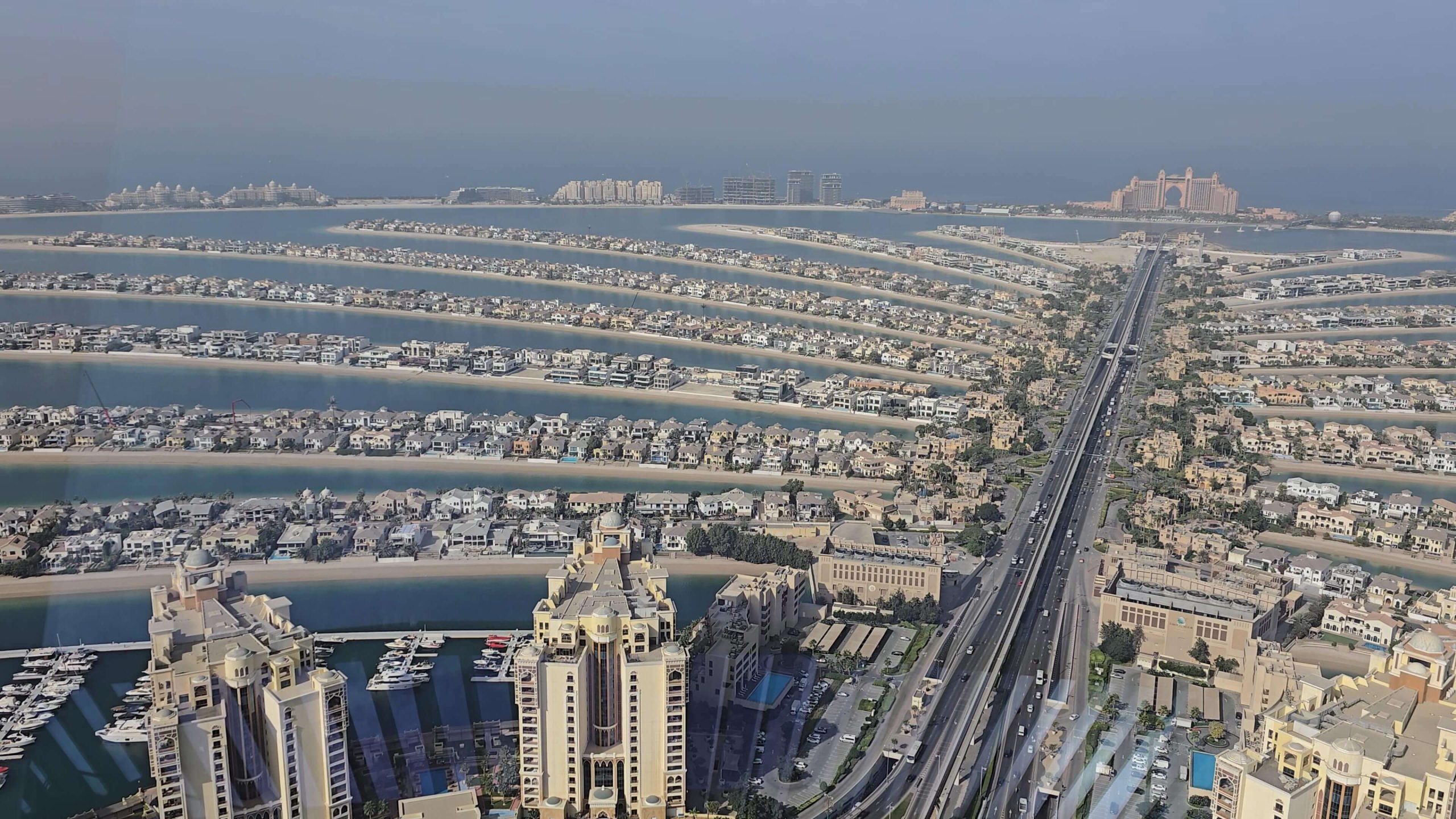
Dubai Property Market 2026: What Smart Investors Need to Know
Introduction to Dubai’s 2026 Property Landscape
The Dubai property market has entered a new phase of maturity and global recognition. As we approach 2026, investors are evaluating opportunities with greater strategic focus rather than speculative enthusiasm. Dubai is no longer viewed as an emerging market; it is now considered a structured, regulated, and internationally competitive real estate destination. Smart investors are analyzing macroeconomic trends, infrastructure expansion, regulatory stability, and demographic growth to position themselves effectively. Understanding these key factors will determine who benefits most from the next wave of growth.
Economic Stability Driving Real Estate Confidence
Dubai’s diversified economy continues to strengthen investor confidence. Growth across tourism, finance, technology, logistics, and artificial intelligence sectors has created a stable foundation for property demand. Unlike past cycles driven heavily by speculation, the current market is supported by genuine end-user demand and business expansion. This economic stability reduces volatility and enhances long-term property appreciation. Investors in 2026 are prioritizing markets where economic fundamentals align with real estate growth, and Dubai remains well positioned in this regard.
Population Growth and Migration Trends
One of the strongest drivers of Dubai’s property demand is population growth. The UAE continues to attract professionals, entrepreneurs, and high-net-worth individuals from Europe, Asia, and beyond. Long-term residency visas and investor-friendly policies have encouraged relocation rather than temporary stays. This structural migration creates sustained demand for residential properties across mid-range and luxury segments. Smart investors recognize that consistent population growth supports rental stability and capital appreciation, making demographic trends a critical factor in evaluating Dubai’s 2026 outlook.
The Impact of Infrastructure Expansion
Infrastructure development remains a key pillar of Dubai’s long-term urban strategy. Ongoing expansions in transportation networks, road connectivity, commercial hubs, and smart city integration enhance the value of surrounding residential areas. As new communities are connected to major business districts, demand naturally follows. Investors who understand infrastructure planning often enter early into growth corridors before prices peak. In 2026, infrastructure-led appreciation continues to shape investment strategies across emerging residential zones.
Off-Plan Opportunities and Structured Payment Plans
Off-plan properties remain attractive in 2026 due to flexible payment plans and lower entry pricing. Developers increasingly offer structured payment models that allow investors to spread commitments over time. This reduces financial pressure while benefiting from value appreciation during construction. Smart investors evaluate developer reputation, construction progress, and escrow compliance before committing. Structured off-plan investments provide leverage advantages and allow portfolio diversification with controlled capital exposure.
Rental Yields and Income Stability
Dubai consistently offers competitive rental yields compared to global real estate markets. Areas with strong connectivity and lifestyle appeal continue to deliver steady occupancy rates. Rental demand is supported by expatriate professionals, corporate relocations, and long-term residents. Investors focused on income generation prioritize developments with high-quality finishes and community-driven planning, as these attract stable tenants. In 2026, rental performance remains one of Dubai’s strongest advantages.
Regulatory Strength and Investor Protection
Dubai’s regulatory framework has evolved significantly over the years. Escrow laws, developer registration requirements, and transparent transaction systems enhance investor protection. These regulations reduce project risk and ensure accountability. Smart investors understand that regulatory maturity is as important as location when selecting properties. Confidence in legal protection contributes directly to Dubai’s reputation as a secure property market.
The Rise of Boutique and Low-Density Developments
A noticeable trend in 2026 is the increasing demand for boutique and mid-rise developments. Investors and end users are seeking lower-density communities that offer privacy, design quality, and a sense of exclusivity. These projects often outperform larger high-rise towers in tenant retention and resale value. Limited inventory in boutique developments also supports price stability. Smart investors are allocating capital toward these thoughtfully designed residential environments.
Luxury Segment Performance in 2026
Dubai’s luxury real estate sector continues to attract global attention. Record-breaking transactions in recent years have strengthened the emirate’s position as a premium property destination. Luxury buyers are drawn to design excellence, waterfront living, and secure residency benefits. Investors entering this segment focus on long-term capital preservation and international demand. In 2026, the luxury market remains resilient due to strong global wealth migration.
Sustainability and Smart Living as Investment Indicators
Sustainability has become a defining factor in modern property valuation. Energy-efficient systems, smart home technology, and environmentally responsible construction enhance long-term value. Developments that integrate sustainable features often experience stronger buyer demand. Investors increasingly assess operational efficiency and maintenance durability when selecting properties. In 2026, sustainability is not a marketing feature but a core investment consideration.
Emerging Communities Offering Growth Potential
While established districts remain strong, emerging communities continue to present early-entry opportunities. Areas with new infrastructure links and expanding lifestyle facilities are gaining investor attention. These zones typically offer more competitive pricing while maintaining appreciation potential. Smart investors monitor infrastructure announcements and developer activity to identify high-growth pockets before widespread demand drives price surges.
Developer Reputation as a Strategic Factor
Choosing the right developer remains critical in 2026. Investors evaluate track record, construction quality, and transparency before making commitments. Projects that demonstrate thoughtful design, premium finishes, and timely delivery tend to outperform. Developers who prioritize long-term community value over short-term marketing hype earn stronger buyer trust.
The Role of Nine Developments in Dubai’s 2026 Landscape
Amid Dubai’s evolving real estate environment, Nine Developments represents the new generation of focused, quality-driven builders. Its first project, One By Nine, reflects the demand for boutique residential living combined with premium finishes and investor-friendly planning. By aligning with emerging market trends such as low-density development and structured payment models, Nine Developments contributes to Dubai’s forward-looking property landscape.
Strategic Advice for Smart Investors in 2026
Smart investors in Dubai prioritize research, timing, and diversification. They analyze infrastructure plans, demographic growth, rental trends, and developer credibility before entering the market. Rather than chasing short-term speculation, they focus on sustainable appreciation and stable income generation. In 2026, informed decision-making remains the key to maximizing returns in Dubai’s competitive real estate market.
Conclusion: A Market Built on Structure and Opportunity
Dubai’s property market in 2026 reflects maturity, global appeal, and regulatory strength. Economic stability, population growth, infrastructure expansion, and lifestyle-driven development continue to support demand. Investors who understand these dynamics and align with reputable developers are well positioned for long-term success. As the city advances toward smarter and more sustainable urban growth, Dubai remains one of the most attractive and strategically sound real estate markets in the world.