

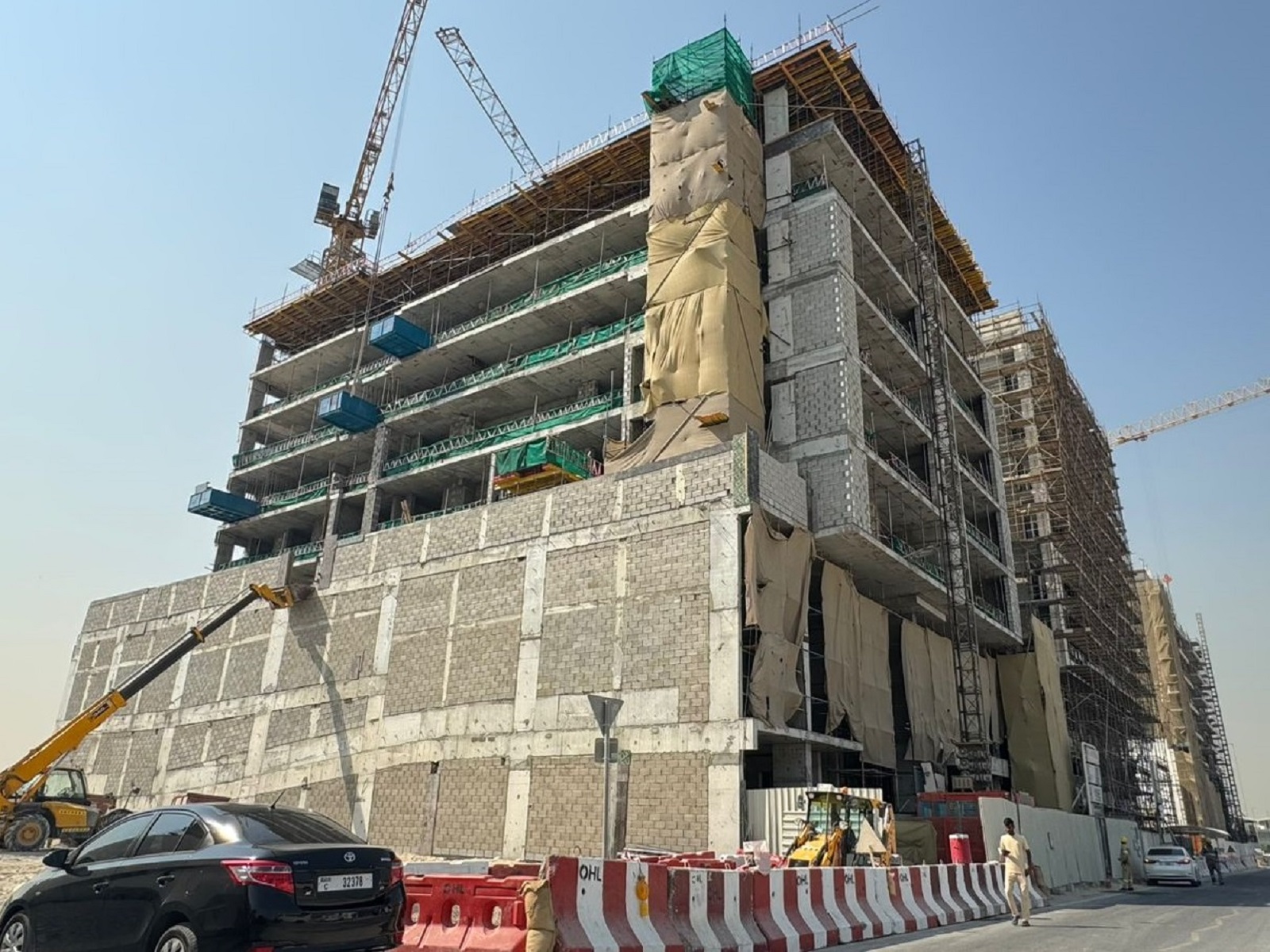
Construction Delays in Dubai: Risk Or Hidden Opportunity?
Understanding Construction Delays in a Growing Market
Construction delays are often seen as a negative factor in real estate investment, especially in fast-moving markets like Dubai. Investors typically associate delays with uncertainty, risk, and missed timelines. However, in a market driven by continuous development and infrastructure expansion, delays are sometimes part of a broader construction cycle. Understanding the reasons behind these delays is essential before labeling them as purely negative.
Why Delays Happen in Dubai’s Real Estate Sector
Dubai’s real estate market operates on large-scale developments that require coordination across multiple stages. Delays may occur due to supply chain disruptions, design modifications, regulatory approvals, or labor availability. These factors are often temporary and do not necessarily reflect the long-term value of a project. In many cases, developers adjust timelines to ensure higher quality delivery rather than rushing completion.
The Perception of Risk Among Investors
Many investors view delays as a sign of risk because they affect expected handover timelines. This perception can lead to hesitation or withdrawal from projects. However, experienced investors analyze the underlying reasons behind delays rather than reacting to them immediately. A delay caused by quality improvements or infrastructure alignment may actually strengthen the long-term value of the property.
Market Dynamics and Timing Advantage
In some situations, construction delays can create strategic advantages for investors. Extended timelines allow buyers more flexibility in managing payments and financial planning. Investors also gain additional time to assess market trends, rental demand, and pricing movements. This can result in more informed decisions and better positioning within the market.
Impact on Luxury Projects in Dubai
The segment of Luxury Projects in Dubai is particularly sensitive to quality standards. Developers often prioritize design precision, finishing quality, and premium materials. In such cases, delays may occur as part of ensuring that the final product meets high expectations. Investors in the luxury segment often benefit from enhanced value once the project is completed, as quality improvements justify higher pricing and demand.
Construction Progress and Price Appreciation
Off-plan properties typically experience price adjustments as construction progresses. Even when delays occur, market demand and area development can continue driving value upward. Investors who entered at earlier stages may still benefit from appreciation, especially in well-located projects. The key factor is whether the project continues to progress and maintain buyer interest.
The Role of Property Developers in Dubai
The credibility of property developers Dubai plays a crucial role in determining whether delays are a concern or an opportunity. Developers with strong track records and transparent communication tend to maintain investor confidence even when timelines shift. Consistent updates, visible construction progress, and adherence to regulations help reassure buyers and reduce uncertainty.
Payment Flexibility and Financial Planning
Delays can also provide unexpected financial advantages. Extended construction periods allow investors to spread payments over a longer timeframe. This reduces immediate financial pressure and improves cash flow management. For some investors, this flexibility creates an opportunity to allocate resources more efficiently across multiple investments.
Infrastructure Development and Area Growth
In many cases, delays coincide with ongoing infrastructure development in surrounding areas. Roads, transport links, and commercial hubs may continue to evolve during the extended timeline. This can enhance the overall value of the location by the time the project is completed. Investors who recognize this relationship can benefit from improved surroundings and increased demand.
Nine Developments and a Quality-Focused Approach
In a market where timing and quality must be balanced, Nine Developments represents a modern approach that prioritizes thoughtful planning and long-term value. By focusing on execution standards and design integrity, developers can ensure that projects meet expectations even if timelines require adjustments. This approach aligns with the evolving expectations of today’s investors.
One By Nine and Long-Term Value Perspective
Projects like One By Nine Dubai reflect how careful planning and quality-focused development can create lasting value. Investors who look beyond short-term timelines and focus on the overall potential of a project are often better positioned for long-term gains. Delays, when managed properly, can contribute to stronger final outcomes.
Balancing Risk and Opportunity
Construction delays should not be viewed in isolation. They must be evaluated within the broader context of market conditions, developer credibility, and project fundamentals. While delays can introduce uncertainty, they can also create opportunities for better planning, pricing advantages, and improved quality. The key lies in informed decision-making rather than reactive judgment.
The Importance of Investor Awareness
Educated investors approach delays with a strategic mindset. They analyze project progress, developer communication, and market trends before making decisions. This level of awareness allows them to differentiate between genuine risk and manageable delays. In a mature market like Dubai, informed investors are more likely to identify opportunities where others see challenges.
Conclusion: Risk or Opportunity Depends on Perspective
Construction delays in Dubai are not always a negative signal. While they may introduce short-term uncertainty, they can also provide long-term benefits when linked to quality improvements and market growth. Investors who adopt a balanced perspective and focus on fundamentals are better positioned to turn delays into opportunities. In a dynamic real estate market, understanding the difference between risk and potential can make all the difference.