

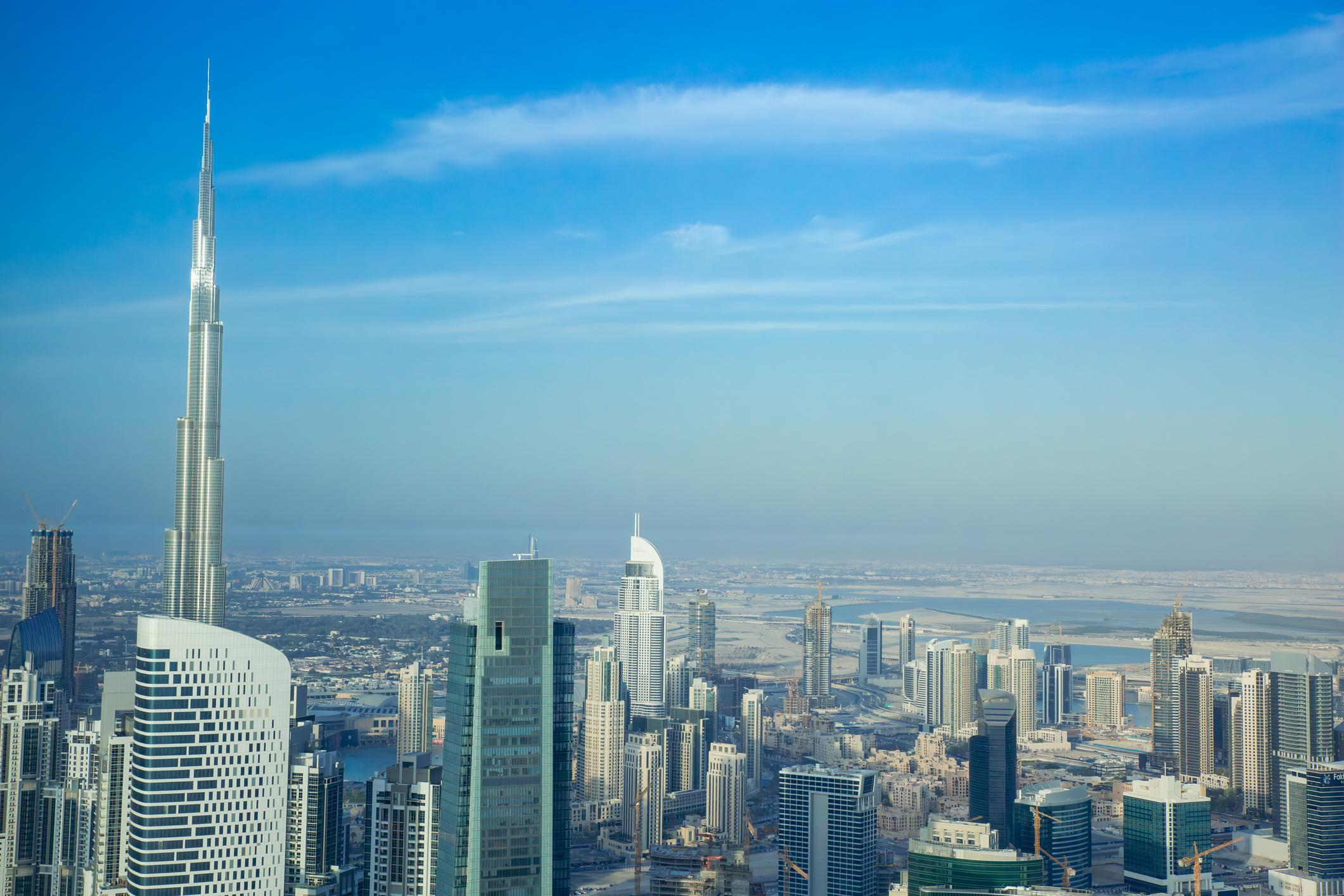
Dubai’s Property Boom: Is It Sustainable Long Term?
Introduction to Dubai’s Real Estate Growth Story
Dubai’s property market has experienced remarkable growth in recent years, with record-breaking transactions, rising property values, and strong investor interest. From luxury waterfront residences to emerging residential communities, the city has attracted buyers from across the globe. However, as prices continue to rise and demand remains strong, investors are increasingly asking an important question: is Dubai’s property boom sustainable in the long term? Understanding the economic, demographic, and regulatory foundations of this growth is essential for evaluating its durability.
Economic Diversification Supporting Stability
Unlike earlier market cycles that relied heavily on speculative activity, Dubai’s current growth phase is supported by economic diversification. The emirate has strengthened sectors such as tourism, technology, finance, logistics, and renewable energy. These industries generate employment and long-term residency, which in turn sustain real estate demand. Economic stability reduces volatility and supports consistent housing absorption. When property growth is tied to real economic performance rather than short-term speculation, sustainability becomes far more likely.
Population Growth and Long-Term Residency
Population growth remains one of the strongest drivers of Dubai’s property market. The UAE continues to attract skilled professionals, entrepreneurs, and high-net-worth individuals seeking business opportunities and lifestyle advantages. Long-term residency visas, including Golden Visa programs, encourage relocation rather than temporary residence. This structural migration supports sustained demand for both ownership and rental properties. A growing resident base ensures consistent occupancy levels, which strengthens overall market resilience.
Regulatory Reforms Strengthening Investor Confidence
Over the past decade, Dubai has introduced regulatory reforms that significantly improve investor protection. Escrow accounts, developer registration requirements, and strict construction monitoring have reduced the risks historically associated with off-plan projects. These regulations create transparency and accountability within the real estate sector. Strong governance is a key factor in sustaining long-term market growth. Investors feel more secure entering a regulated environment where their interests are legally protected.
Infrastructure Expansion as a Long-Term Catalyst
Dubai’s property boom is closely linked to ongoing infrastructure expansion. New roads, metro extensions, retail districts, and business hubs increase accessibility and enhance surrounding property values. Infrastructure-led growth creates organic demand rather than artificial price inflation. As connectivity improves, new residential zones become viable lifestyle destinations. Long-term sustainability often depends on continuous infrastructure planning, and Dubai remains proactive in this area.
The Role of International Capital Inflows
Global capital continues to flow into Dubai’s real estate market. Political stability, tax efficiency, and a safe living environment make the emirate attractive to international investors. Compared to major global cities, Dubai offers competitive pricing combined with strong rental yields. This relative affordability encourages sustained demand even during global economic uncertainty. International diversification of buyer profiles further stabilizes the market by reducing reliance on any single source of capital.
Supply Management and Market Balance
A critical factor in determining sustainability is supply management. Dubai’s authorities closely monitor project launches and construction approvals to avoid excessive oversupply. Developers today are more cautious and data-driven when releasing new phases. Balanced supply prevents dramatic price corrections and supports steady appreciation. While certain segments may experience temporary fluctuations, the overall market benefits from structured development planning.
The Strength of the Luxury Segment
Dubai’s luxury real estate sector has gained global recognition in recent years. High-value transactions and branded residences have strengthened the city’s position as a premium destination. Luxury buyers are often less sensitive to short-term market cycles, providing stability during periods of adjustment. Strong global wealth migration toward Dubai further reinforces this segment. The resilience of the luxury market contributes positively to overall sustainability.
Rental Market Fundamentals
Dubai’s rental market plays a crucial role in supporting property values. Consistent tenant demand, driven by expatriate professionals and corporate relocations, ensures steady occupancy rates. Rental yield performance remains competitive compared to global standards. A healthy rental market reduces reliance on speculative resale activity and supports long-term investment stability. Investors who focus on rental fundamentals tend to experience lower risk exposure.
Sustainability Through Smart and Green Development
Modern real estate growth in Dubai increasingly incorporates sustainability principles. Energy-efficient designs, smart home technology, and environmentally responsible construction practices enhance long-term value. These features reduce operational costs and align with global environmental standards. Sustainable development not only supports environmental goals but also improves investor confidence in the durability of assets over time.
Emerging Communities and Controlled Expansion
Growth in Dubai is no longer limited to established districts. Emerging communities are being developed with structured planning, integrated amenities, and strategic connectivity. Controlled expansion prevents excessive concentration in single zones and distributes demand across multiple districts. Investors who enter these areas early often benefit from measured appreciation. This balanced urban expansion contributes to long-term market sustainability.
The Role of Developers in Market Stability
Developer responsibility plays a vital role in sustaining property growth. Companies that prioritize quality construction, timely delivery, and transparent communication strengthen overall market confidence. Developers like Nine Developments contribute to this stability by focusing on thoughtful planning and boutique residential concepts. Projects such as One By Nine reflect the trend toward quality-driven growth rather than speculative volume expansion.
Potential Risks and Market Cycles
No property market is entirely immune to global economic shifts. External factors such as interest rate changes, geopolitical events, or global financial slowdowns can influence demand. However, Dubai’s diversified economy and regulatory framework help cushion against sharp corrections. Investors who adopt long-term strategies and focus on fundamentals rather than short-term speculation are better positioned to navigate market cycles.
Long-Term Outlook for Dubai Real Estate
Looking ahead, Dubai’s property market appears structurally stronger than in previous boom periods. Economic diversification, infrastructure expansion, regulatory maturity, and global investor confidence provide a solid foundation. While short-term adjustments are possible, the overall direction remains growth-oriented. Long-term sustainability is supported by genuine demand drivers rather than speculative enthusiasm.
Conclusion: A Market Built on Structure, Not Hype
Dubai’s property boom is increasingly supported by stable economic fundamentals, strong governance, and consistent population growth. These factors indicate a market built on structure rather than hype. For investors who approach opportunities with research and strategic planning, Dubai continues to present compelling long-term potential. While cycles are inevitable in any real estate market, the emirate’s structural strength suggests that its growth story is sustainable for years to come.